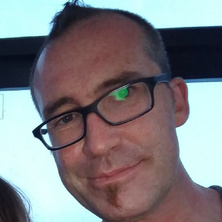
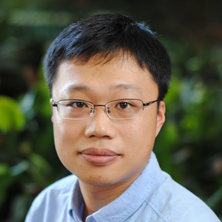
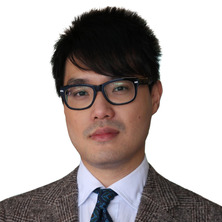
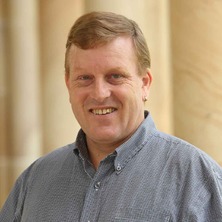
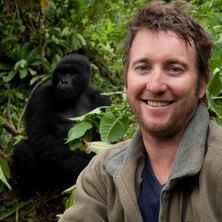
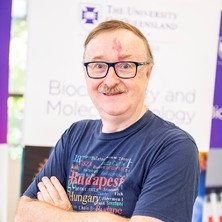
My research interests are centred around the structure and function of venom and silk polypeptides produced by arthropods, and their use in biotechnology and medicine. I am a Postdoctoral Fellow in the King laboratory in the Institute for Molecular Bioscience, the University of Queensland, Australia. Currently, I am investigating the composition, function and evolution of neglected insect venoms produced by assassin bugs (Hemiptera: Reduviidae), robber flies (Diptera: Asilidae) and nettle caterpillars (Lepidoptera: Limacodidae).
Affiliate of Clem Jones Centre for Ageing and Dementia Research
Clem Jones Centre for Ageing Dementia Research
Faculty of Health, Medicine and Behavioural Sciences
Group Leader, Principal Research Fellow
Queensland Brain Institute
Faculty of Health, Medicine and Behavioural Sciences
Availability:
Available for supervision
Associate Professor Tara Walker is a Senior Research Associate at the Queensland Brain Institute. Associate Professor Walker's group is investigating the mechanisms governing the lifelong production of neurons in the adult brain (adult neurogenesis). Tara studied Biotechnology as an undergraduate at the Queensland University of Technology (Brisbane, Australia), before carrying out her PhD in the field of Plant Biotechnology. In 2003 she made the transition to neuroscience, joining the Queensland Brain Institute (QBI) and the group of Professor Perry Bartlett. Here she became interested in the field of adult hippocampal neurogenesis, particularly in its activity-dependent regulation. In 2010, she joined the group of Professor Gerd Kempermann at the Center for Regenerative Therapies in Dresden, Germany, where she was awarded a Marie Curie International Incoming Fellowship in 2011. In July 2018 she returned to QBI to lead a research group investigating how lifestyle interventions such as exercise and diet affect brain health in ageing and neurodegenerative diseases.
Faculty of Health, Medicine and Behavioural Sciences
Availability:
Available for supervision
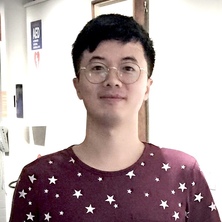
Dr Haolu Wang currently is a Medical Registrar and Basic Physician Trainee with the Royal Australasian College of Physicians - The Prince Charles Hospital and Redcliffe Hospital (Northside) Rotation. He is also an Honorary Research Fellow in the joint liver cancer research program of Frazer Institute, The University of Queensland and Gallipoli Medical Research Foundation. Dr Wang received his Bachelor of Medicine and Master of Surgery qualifications from Shanghai Jiao Tong University School of Medicine. He was awarded his PhD in Clinical Medicine from The University of Queensland. Dr Wang has worked as a Medical Officer at Renji Hospital, Shanghai Jiao Tong University School of Medicine and as a Researcher Officer at Frazer Institute, The University of Queensland.
Dr Wang has authored over 30 publications of clinical and translational research in liver diseases, including Hepatology, Theranostics, Int J Cancer, J Exp Clin Cancer Res and Pharmacol Ther. His standing in this field is reflected by awards from Australian National Health and Medical Research Council, United European Gastroenterology, European Microscopy Congress, The University of Queensland, Frazer Family Foundation and Shanghai Jiao Tong University.
Australian Centre for Water and Environmental Biotechnology
Faculty of Engineering, Architecture and Information Technology
Availability:
Available for supervision
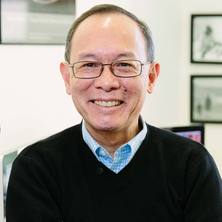
Andrew Ward is an ARC Industry Fellow at the Australian Centre for Water and Environmental Biotechnology (ACWEB), at The University of Queensland. He holds a PhD degree from the School of Chemical Engineering (The University of Adelaide) and his thesis focused on the optimisation of halophilic anaerobic digestion of algal biomass. At ACWEB projects he has worked on include Nutrient recovery via electrodialysis and Anammox for both domestic wastewater and agricultural wastewater treatment. He previously received an Advance Queensland Industry Research Fellowship to investigate the use of algae and bacterial aggregated flocs for the remediation of wastewater. Andrew has just received and ARC Industry Fellowship to investigate the use of microalgae and its role in energy and nutrient recovery from a circular economy perspective. Andrew has significant industrial experience working with large water utilities and industry partners scaling up research to pilot and demonstration scale. Andrew is currently lead investigator and manages Urban Utilities wastewater microalgae research program.
Affiliate of Centre for Cardiovascular Health and Research
Centre for Cardiovascular Health and Research
Faculty of Health, Medicine and Behavioural Sciences
Senior Research Fellow
Institute for Molecular Bioscience
Availability:
Available for supervision
Dr Nicole Warrington is a NHMRC Emerging Leadership Fellow at the University of Queensland Institute for Molecular Bioscience. She has a strong background in statistical genetics and has been actively working towards understanding the genetic determinants of early life growth. Dr Warrington studied a Bachelor of Science at Victoria University in Wellington, New Zealand, majoring in Mathematical Statistics and Psychology. She then completed an honours degree at The University of Western Australia, where she developed a keen interest for genetics, and was subsequently awarded an Australian Postgraduate Award to complete her PhD in statistical genetics and life-course epidemiology. During her PhD she spent time at the University of Toronto to gain experience in statistical modelling methods for longitudinal growth trajectories and conducted the first genome-wide association study of longitudinal growth trajectories over childhood. After completing her PhD, Dr Warrington started at the University of Queensland and focused on using genetics to inform about the relationship between birth weight and cardio-metabolic diseases in later life. She pioneered a new statistical method to partition genetic effects on birth weight into maternal and fetal components, and combined this method with a causal modelling approach, Mendelian randomization. This method was instrumental in demonstrating the relationship between birth weight and adult hypertension is driven by genetic effects, over-turning 30 years of research into the effects of intrauterine programming. More recently, her research focus has broadened to determine whether rapid weight growth across early life, including fetal development, childhood and adolescence, causally increases risk of cardio-metabolic disease and in doing so, hopes to identify optimal times across the life-course where interventions could reduce the incidence of cardio-metabolic diseases.
Affiliate of Centre for Biodiversity and Conservation Science
Centre for Biodiversity and Conservation Science
Faculty of Science
Professor (Environ Mgmt)
School of the Environment
Faculty of Science
Availability:
Available for supervision
Media expert
James is an applied conservation scientist and bioegeographer working at the interface between ecology, policy and management to improve outcomes for biodiversity. He has a particular interest in understanding how humanity influences landscape and the climate, and what this means for biodiversity and ecosystem service outcomes, and the implications of this for environmental policy setting and management.
As a Professor of Conservation Science at The University of Queensland, he leads two research groups. The Green Fire Science research group (www.greenfirescience.com) mission is to do applied research that is linked directly to the practice of large-scale conservation and the Research and Recovery of Endangered Species (https://raresgroup.com.au) mission is to focus on Australia's rarest, least studied species to try and work out their needs and work with those on-ground practioners to try and save them.
James has been passionate conservation for decades. As a Rhodes Scholar, James undertook his PhD research studying in Madagascar, trying to come up with conservation plans to save endemic bird species inhabiting the country’s remaining littoral forest. Since then he has published more than 400 peer-reviewed papers, book chapters and reports on conservation related matters, ranging from assessing the impacts of climate change on species to mapping the effectiveness of protected areas on biodiversity conservation outcomes globally. He has served on the International Panel for Biodiversity and Ecosystem Services (IPBES) Data and Knowledge Task Force, and is a Research Fellow for the United Nation’s Environment Program, a Senior Technical expert for the United Nations Development Program’s Global Programme on Nature for Development, and was the founding chair of the International Union for Nature Conservation Climate Change Specialist Group. James sits on the scientific committees of BirdLife Australia and SUBAC. James was global president of the Society for Conservation Biology in 2015-17.
I am also an affiliated researcher at the Centre for Biodiversity and Conservation Science.
I am a basic science researcher trained in molecular and cell biology, with expertise in transdisciplinary research. My primary focus is investigating the circadian aspects of (patho-) physiology, specifically in relation to the liver. I am particularly interested in understanding how circadian, endocrine, and metabolic pathways work together to maintain homeostasis, as well as how disruptions in these pathways can contribute to pathological conditions.
Following the completion of my PhD at Heidelberg University in Germany in 2013, I pursued post-doctoral studies as a Marie-Curie Fellow at Birmingham University (UK) and École Polytechnique Fédérale de Lausanne (Switzerland). During this time, I utilized omics-approaches to elucidate the metabolic changes caused by impaired mitochondrial glucocorticoid biosynthesis and adrenal insufficiency. Additionally, I investigated the relationship between mitochondrial function and stress-induced depression. In order to understand the molecular mechanisms underlying rhythmic expression of metabolic genes, I also developed tools that facilitate the study of how circadian clock components and glucocorticoids cooperatively drive these processes.
In 2019, I have joined the Institute of Molecular Bioscience, University of Queensland, to investigate the role of the circadian clock and chronodisruption in metabolism and liver disease.
Affiliate of Centre for Cardiovascular Health and Research
Centre for Cardiovascular Health and Research
Faculty of Health, Medicine and Behavioural Sciences
Affiliate of The Centre for Cell Biology of Chronic Disease
Centre for Cell Biology of Chronic Disease
Institute for Molecular Bioscience
Availability:
Available for supervision
Dr Melanie White heads the Dynamics of Morphogenesis Lab at the Institute for Molecular Bioscience (IMB), University of Queensland and is an ARC Future Fellow. She completed a PhD in Neuroscience at University College London followed by postdoctoral research at The University of Edinburgh. During this time Mel engineered viruses to modulate gene expression in the brain to investigate neuronal function and as a therapeutic approach for neurodegenerative disease. Her work was published in Neuron and PNAS, featured in Nature Reviews Neuroscience and received extensive international media coverage (including the BBC and The Guardian).
In 2012 Mel switched fields to apply quantitative imaging in developmental biology. Her work revealed key mechanisms driving the earliest morphogenetic events in mammalian embryogenesis and was published in Cell, Science, Nature Cell Biology, Developmental Cell and Nature Protocols. Her research was featured on the cover of multiple journals including Cell and she was awarded the inaugural American Society for Cell Biology Porter Prize for Research Excellence (2018).
In 2020, Mel joined the IMB where she will combine her passion for neuroscience and developmental biology to investigate the dynamics of neural tube morphogenesis.
Research overview
The brain and the spinal cord control most of the functions of the body and the mind, yet the dynamics of how they first form is poorly understood. Both structures arise from a common precursor, the neural tube, which forms very early in embryonic development. To generate the forces that sculpt and shape the neural tube, changes in cellular architecture must be tightly coordinated in space and time. These morphological rearrangements occur concurrently with biochemical signalling pathways that specify early neural cell fates.
Our research aims to understand how cellular properties and transcriptional regulators interact with mechanical forces in real time to direct vertebrate neural tube formation and neural cell fate specification. We study the dynamics of neural tube formation by applying advanced imaging technologies in transgenic avian models and human stem cell models.
I completed a BSc (Hons) and a PhD at the University of Melbourne before undertaking post-doctoral research at the University of California, Berkeley, and the University of Texas MD Anderson Cancer Center, Houston. My research focused on marsupial and eutherian developmental biology. After 6 years in the US I returned to Australia to study Veterinary Science (BVSc) at the University of Queensland (UQ), going on to work in equine and small animal practice. A longing to get back into research lead to my current position as a Teaching & Research academic in the School of Veterinary Science, UQ. My lab has generated induced pluripotent stem cells (iPSCs) from dogs and horses that are being used to model diseases in vitro and as the basis for research into stem cell-based treatments for a variety of diseases. We have also produced iPSCs from the Tasmanian devil and the platypus, the first stem cells ever described from a marsupial and a monotreme, respectively, allowing us to pursue research directed at treating devil facial tumour disease, understanding marsupial and monotreme embryonic development, and the conservation of endangered species.
Education
BSc (Hons), University of Melbourne (1990)
PhD, University of Melbourne (1996)
BVSc (Hons), University of Queensland (2006)
Employment
Post-doctoral researcher, University of California, Berkeley, USA (1996-1997)
Post-doctoral researcher, MD Anderson Cancer Centre, Houston, Texas, USA (1997-2002)
Veterinary Surgeon (2006-present)
Lecturer, School of Veterinary Science, University of Queensland (2010-2017)
Affiliate Senior Research Fellow, Australian Institute for Bioengineering and Nanotechnology, University of Queensland (2016-present)
Senior Lecturer, School of Veterinary Science, University of Queensland (2017-2022)
Associate Professor, School of Veterinary Science, University of Queensland (2023-present)
Director of Partnerships, Hidden Vale Research Station (HVRS)
Faculty of Science
Professor
School of the Environment
Faculty of Science
Availability:
Available for supervision
My research group studies animal performance in the laboratory and in the field. We focus on discovering the underlying mechanistic basis of physical performance and it's implications for an individual's survival and reproductive success. We’re particularly interested in how organisms respond to environmental variation, such as seasonal or long-term temperature change, and the costs of these responses to other traits. We examine interactions between behavioural, physiological and morphological traits to better understand how animal performance is optimised. Furthermore, we want to understand how an organism’s performance relates to population-level processes, enabling better conservation practices in urban and wild habitats. Our research is question-driven, and we use a variety of model systems in our studies, including freshwater fish, crayfish, reptiles, marsupials, and humans.
Current projects
Importance of performance, life history and behaviour to male mating success in the semelparous marsupial the northern quoll
Relative importance of athleticism, skill and balance to success in complex human activities - focus on soccer players
When and why do animals lie? Testing hypotheses of deceit and discovering its role in determining animal performance
Having started in animation in the 80s Bradd made the move to science with his studies at The University of Queensland. After completing his PhD Bradd worked as a Post-Doctoral Research Fellow. He has been employed at The University of Queensland since 2000.
His research interests are in agriculture and sustainability with a focus on how industry engages with changing societal expectations.
Faculty of Health, Medicine and Behavioural Sciences
Senior Group Leader
Australian Institute for Bioengineering and Nanotechnology
Availability:
Available for supervision
Media expert
Professor Wolvetang is an international leader in the area of pluripotent stem cell biology and human functional genomics. he initiated and leads Cell Reprogramming Australia, a collaborative framework that facilitates induced pluripotent stem cell research in Australa and is co-director of the UQ Centre in Stem Cell Ageing and Regenerative Engineering (StemCARE). He has extensive expertise in reprogramming somatic cells, differentiation and tissue engineering with adult, embryonic and induced pluripotent stem cells, genome manipulation with CRISPR, molecular biology, transcriptome analysis, high content image analysis, development and use of microfluidic devices for cell analysis, nanoparticle and scaffold design and delivery, and stem cell and cell-free regenerative medicine approaches.Professor Wolvetang has been instrumental in establishing and enabling the technology for derivation of induced pluripotent stem cells across Australia. Professor Wolvetang made the strategic decision to focus on the generation of induced pluripotent stem from patients with neurological and cardiac disorders because live human cells from such patients can usually not be obtained whereas induced pluripotent stem cells have the ability to generate every cell type of the human brain in unlimited amounts and can recapitulate the disease in the dish. Induced pluripotent stem cells combined with emerging technologies such as CRISPR-based genome editing offers a unique opportunity to study the role of individual genes and combinatorial gene regulatory pathways in the eatiology of monogenic and complex brain disorders. Indeed, combined with RNA-seq and organoid generation we are now for the first time able to gain insight into gene regulatory pathways operational in individual brain cell types of healthy and diseased individuals, investigate the connectivity and function of cells, as well as pinpoint where and when during early development such deregulated pathways lead to pathological changes. Induced pluripotent stem cells further not only provide insight into the underlying pathogenesis of neurological disorders but also constitute a valuable drugscreening platform and, following CRISPR-based gene correction, can form the basis of patient specific cellular therapies for currently incurable diseases.
Professor Wolvetang received his PhD in 1992 from the Department of Biochemistry, University of Amsterdam for his original work on peroxisomal disease (6 papers). He undertook postdoctoral studies at the Department of Biochemistry and the Institute for Reproduction and Development of Monash University, investigating apoptosis, Down syndrome and Ets transcription factors, respectively, obtaining the first evidence for an intra-chromosomal regulatory loop on chromosome 21 involving Ets2 (3 papers), and revealing the role of p53 in immune-suppression in Down syndrome (Hum Mol. Genetics). He then joined Prof Martin Pera in the Australian Stem Cell Centre in 2003 to pioneer human embryonic stem cell research in Australia, resulting in a first author Nature Biotechnology paper in 2006 identifying CD30 as a marker for genetically abnormal hESC (72 cites). He was appointed group leader of the Basic human stem cell biology laboratory in the ASCC research laboratory and senior lecturer in the Department of Anatomy and Cell biology until he accepted his current position as an independent group leader at the AIBN and Professor in stem cell biology at the University of Queensland in 2008. There he started to generate integration-free induced pluripotent stem cells from human neurological diseases such as ataxia-telangiectasia (Stem cells translational medicine). In recognition of his leadership role in this area of research he was appointed leader of the “Reprogramming and Induction of pluripotency” Collaborative Stream of the Australian Stem Cell Centre until the end of that initiative in 2011, coordinating collaborative research between eight stem cell laboratories across Australia. He subsequently initiated and is now the president of Cell Reprogramming Australia, a collaborative framework aiming to facilitate and accelerate iPS cell research in Australia and the Asia pacific region and inform the general public about reprogramming technology. His research continues to combine cell reprogramming technology, genome editing/analysis tools and microfluidic/nanoparticle based detection/ delivery technologies with the aim of creating human in vitro models of disease, unravel the underlying gene regulatory networks and enable novel cell- and delivery-based therapeutics, respectively. He further co-direct the UQ-Centre for stem cell ageing and regenerative engineering (UQ-StemCARE).
Liver disease has long been associated with the abuse and clinical use of drugs. My research interests focus on ethanol, perhaps the most commonly abused drug, and the widely used non-steroidal anti-inflammatory drugs (NSAIDS). Both NSAIDS and ethanol are widely tolerated but induce liver disease in a small number of individuals.
Research projects listed below investigate immunological and genetic phenomena associated with drug-induced liver disease.
Does ethanol alter hepatic gene expression to cause liver damage?
Is protein modification by ethanol metabolites involved in the aetiology of alcoholic tissue injury?
Are proteins modified by reactive molecules formed during ethanol metabolism viable biomarkers of ethanol intake?
Affiliate of The Centre for Cell Biology of Chronic Disease
Centre for Cell Biology of Chronic Disease
Institute for Molecular Bioscience
Availability:
Available for supervision
Media expert
My group studies the role of cadherin cell adhesion molecules in morphogenesis and tumor development. E-cadherin is a key mediator of cell-cell recognition. It participates in tissue patterning and its dysfunction contributes to tumor progression and invasion.
Associate Professor Yap is the group leader for Cadherin cell adhesion molecules, Epithelial morphogenesis & Cell locomotion research at the IMB.
Faculty of Health, Medicine and Behavioural Sciences
Availability:
Not available for supervision
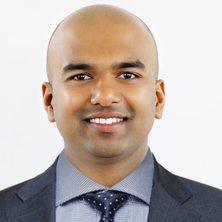
Dr. Akila Wijerathna-Yapa is an interdisciplinary Biotechnology scientist and Postdoctoral Research Fellow at the Frazer Institute, University of Queensland, with over 12 years of expertise spanning Biochemistry, Molecular Biology, and Bioinformatics. Holding a PhD in Biochemistry from The University of Western Australia, an MSc in Molecular Biology from The Hebrew University of Jerusalem, an MBA from the University of Staffordshire, and B.Sc. (Hons.) Sp. Biotechnology from The Wayamba University of Sri Lanka, he brings a rare combination of deep scientific expertise and strategic project management insight to the life sciences.
Dr. Wijerathna-Yapa's research is defined by his ability to integrate advanced technologies—including mass spectrometry-based proteomics, peptidomics, metabolomics, lipidomics, NMR spectroscopy, and transcriptomics—to unravel molecular complexities and translate multi-omics data into actionable insights. His work spans molecular biology, cell culture bioprocess optimisation, clinical biomarker discovery, and spatial biology, with postdoctoral experience at The University of Queensland and Dalhousie University, and collaborative partnerships with leading research institutions across Sri Lanka, China, Israel, Australia, and Canada.
With a strong foundation in advanced statistical data analysis and a proven track record in project management and scientific communication, Dr. Wijerathna-Yapa bridges the gap between scientific discovery and practical innovation. He has authored over 25 peer-reviewed publications and has been recognised with prestigious international awards including the Australian Government Global Talent Independent visa and fellowships from the Higher Education Academy (FHEA, UKPSF). He is passionate about leveraging interdisciplinary knowledge to drive transformative advancements in biotechnology and life sciences.