Affiliate of UQ Poche Centre for Indigenous Health
UQ Poche Centre for Indigenous Health
Faculty of Health, Medicine and Behavioural Sciences
Senior Lecturer
School of Pharmacy and Pharmaceutical Sciences
Faculty of Health, Medicine and Behavioural Sciences
Availability:
Available for supervision
Media expert
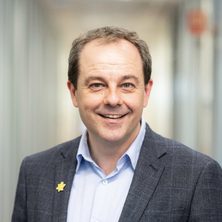
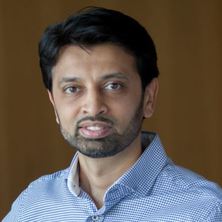
Jared is a proud Yuwi man, pharmacist and early-career researcher with interests spanning from culturally safe and effective pharmacy practice through to new technologies for pharmaceutical development and delivery. After graduating from UQ with a Bachelor of Pharmacy (Honours) in 2012, he worked as a community pharmacist before returning to undertake a PhD in pharmaceutical sciences, focusing on discovering new drugs for Alzheimer’s disease. Throughout his PhD, Jared developed an interest in teaching and tutored for many pharmacy courses. Ultimately this led to his current role as a Senior Lecturer with UQ School of Pharmacy and Pharmaceutical Sciences upon finishing his PhD in 2021. Jared also works as a clinical and research pharmacist with the Institute of Urban Indigenous Health (IUIH).
Faculty of Health, Medicine and Behavioural Sciences
Availability:
Available for supervision
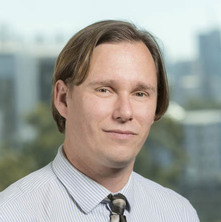
Dr María Patricia Hernández Mitre (Patty Mitre) is Postdoctoral Research Fellow in the Antimicrobial Optimisation Group led by Professor Jason Roberts and a member of the CRE-RESPOND (Centre of Research Excellence - REduce the burden of antimicrobial reSistance through oPtimal persONalised Dosing) team at the University of Queensland Centre for Clinical Research, located on the Royal Brisbane and Women's Hospital campus at Herston in Brisbane, Queensland, Australia.
She is certified in non-compartmental analysis (NCA) using Phoenix® WinNonlin™ and conducts NCA for Phase 1 clinical trials under NATA ISO 17025-accredited processes, preparing regulatory reports for submission to agencies such as the FDA. In addition, she develops and validates population pharmacokinetic models using Monolix®, Pmetrics™, and NONMEM® to optimise drug therapy and support therapeutic drug monitoring.
Dr Hernández Mitre is leading the individual pharmacokinetic analyses of antifungal therapies from the Screening Anti-Fungal Exposure in Intensive Care Units (SAFE-ICU) study. She also mentors students and clinicians, delivers training in pharmacokinetic modelling, and participates actively in university committees. She is experienced in clinical trial monitoring, regulatory writing, and electronic research data management.
Faculty of Health, Medicine and Behavioural Sciences
Availability:
Available for supervision
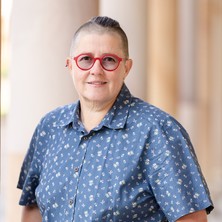
Greg studies cellular signalling in disease and the identification of new drug targets. Greg leads the Calcium Signalling Therapeutics Team (CaSTT) in the School of Pharmacy and Pharmaceutical Sciences at UQ.
His lab specializes in the development and application of genetically encoded calcium indicators for high-content imaging in live cells. His team focuses on integrating these technologies into high-throughput assays that are critical for drug discovery efforts targeting calcium-mediated signaling pathways. The group has developed and utilized high-content imaging platforms to investigate calcium signaling in various cell types. These platforms enable the team to conduct large-scale screenings and these have been instrumental in identifying novel therapeutic targets.
Greg has established a research program with research funding via NHMRC, ARC, Queensland Cancer Council, Society of Biomolecular Screening, Department of Defense (USA) and other grants and collaboration with Pharmaceutical companies. His interests are signal transduction in disease, calcium transporters as drug targets and biomolecular screening. His work has led to patents and projects towards commercialization for new therapies for cancer.
In 2006 he received a UQ Foundation research excellence award and in 2016 he received the UQ Research Higher Degree Supervision Excellence Award - video link. Greg has also recieved a Research Mentorship Award (HaBS, 2017) and an award for Excellence in Leadership (UQ, 2016).
Faculty of Health, Medicine and Behavioural Sciences
Availability:
Available for supervision
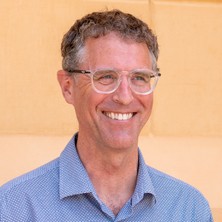
Dr Michael Morgan is a mid-career academic with a robust foundation in basic sciences, who has built a distinguished path exploring the biological underpinnings of pain—particularly musculoskeletal pain and osteoarthritis. With influential lead author publications in PAIN, Osteoarthritis and Cartilage and Bone his work bridges molecular mechanisms and translational insights. Now pivoting toward clinical research, he is deepening his focus on another musculoskeletal condition, focusing on whiplash injury and the multidimensional nature of pain, driving cross-disciplinary studies that aim to connect lab findings with real-world patient outcomes.
Director, Higher Degrees by Research of School of Pharmacy
School of Pharmacy and Pharmaceutical Sciences
Faculty of Health, Medicine and Behavioural Sciences
Associate Professor
School of Pharmacy and Pharmaceutical Sciences
Faculty of Health, Medicine and Behavioural Sciences
Availability:
Available for supervision
Media expert
Dr Moyle’s laboratory (www.moylelab.com) uses cutting edge technologies for the synthesis of peptides, protein expression, and protein semi-synthesis to gain insights into the functional roles played by various biochemical pathways, to engineer better protein and peptide therapeutics, and to improve the delivery characteristics of various therapeutic molecules. Specific current areas of interest are detailed below:
Subunit Vaccine Development: methods to develop improved vaccines through the combination of recombinant and synthetic approaches to improve immunopotency and tailor immune responses (links to reseach articles on semisynthetic vaccines and peptide vaccines; reviews on vaccine development).
Delivery Systems for Nucleic Acid-Based Molecules: multi-component synthetic and recombinant approaches to improve the cellular uptake, and targeted delivery of various oligonucleotide molecules (e.g. siRNA, mRNA, pDNA and CRISPR-Cas9) as an exciting approach to treat or prevent various diseases (links to research articles and reviews).
Deciphering the Roles of Post-Translational Modifications: The combination of peptide synthesis and protein semisynthesis to enable the production of large amounts of site-specifically modified species, that can be used to deconvolute the roles played by various post-translational modifications (links to research articles).
Peptide/Protein Drugs and Delivery: The study of methods to improve the delivery characteristics of peptide/protein drugs (e.g. poor oral absorption, instability to chemical/enzymatic degradation, and the inability to reach their site/s of action) through chemical engineering approaches.
New Approaches for Superbugs: the development of antivirulence approaches, and formulations (e.g. various types of nanoparticles - silver, protein, mesoporous silica), which reduce the ability for microbes to cause disease, and make them more readily treated with antimicrobials, by providing access to synergistic combinations, and reducing the risk of antimicrobial resistance.
Information for Potential Students:
The Moyle lab considers applications from potential students and postdoctoral fellows with an interest in: i)infection control (including subunit vaccine and antimicrobial development); ii)delivery systems for peptide therapeutics; iii)targeted delivery systems; iv) studying the function of posttranslational modifications; and v) delivery systems for nucleic acid-based therapeutics (e.g. siRNA, shRNA, miRNA, mRNA, pDNA and CRISPR-Cas9). If you are interested in working in any of these areas please feel free to contact Dr Moyle (p.moyle@uq.edu.au). Please ensure that you supply an up to date CV; describe why you would like to work in the Moyle lab; provide a listing of publications (preferably with impact factors and citation counts); and indicate what skills you would bring to the lab. Detailed information on our laboratory is available at www.moylelab.com. Preference will be given to students and postdoctoral fellows who have their own funding.
Dr Moyle Biosketch:
Dr Moyle (H-index 30, >2600 citations; >95 publications; 13/8/2024; Google Scholar, ORCID, ResearcherID, and Publons profiles) received a PhD (Dec 2006) and a Bachelor of Pharmacy (Hons I) (Dec 2001) from The University of Queensland (UQ); graduated from the Pharmaceutical Society of Australia pre-registration pharmacist-training course (Nov 2002); and is registered with the Pharmacy Board of Australia. He currently works as an Associate Professor in the UQ School of Pharmacy, where he has been based since 2014.
Dr Moyle works in the fields of medicinal chemistry, chemical biology, and drug formulation, investigating subunit vaccine development, outcomes associated with histone post-translational modifications, and methods to improve the delivery characteristics of oligonucleotide (e.g. siRNA and pDNA), peptide, and protein therapeutics. During his PhD, Dr Moyle developed methods that enabled the synthesis of pure, lipid adjuvanted peptide vaccines, using advanced chemical ligation techniques. In addition, the conjugation of mannose to combined prophylactic/therapeutic human papillomavirus type-16 vaccines, to target dendritic cells, was demonstrated to significantly improve vaccine anti-tumour activity. This work, conducted with leading researchers at the QIMR Berghofer Medical Research Institute (Prof Michael Good & Dr Colleen Olive), established Dr Moyle’s national and international profile in the field of vaccine development, resulting in 11 peer reviewed papers, including top journals in the field (J Med Chem; J Org Chem), as well as 6 review articles and 2 invited book chapters.
Dr Moyle undertook his postdoctoral training in the laboratory of one of the world’s premier chemical biologists, Professor Tom Muir (the Rockefeller University, NY, USA; now at Princeton University, NJ, USA). During this time he developed an extensive knowledge of techniques for protein expression, bioconjugation, bioassays, and proteomics, which represent an essential skill set required for this proposal. As part of this work, Dr Moyle developed novel synthetic routes to generate site-specific ADP-ribose conjugated peptides and proteins. This research was hailed as a major breakthrough in the field, leading to several collaborations, and an exemplary publication in the prestigious chemistry journal JACS. This vast body of work identified the enzyme (PARP10) responsible for mono-ADP-ribosylation of histone H2B, and demonstrated interactions between this modification and several proteins, including BAL, which is associated with B cell lymphomas. In addition, a number of robust chemical methods were developed to enable the synthesis of a complete library of methyl-arginine containing histones, which were incorporated into synthetic chemically-defined chromatin to investigate the site-specific effects of arginine methylation on histone acetylation. This work led to a collaboration with colleagues at Rockefeller to investigate the effects of histone arginine methylation on transcription.
Teaching:
Dr Moyle teaches into the following subjects in the UQ School of Pharmacy.
PHRM3011 (Quality Use of Medicines) - course coordinator
PHRM4021 (Integrated Pharmaceutical Development)
PHRM3021 (Dosage Form Design)
PHRM2040 (Drug Discovery)
Awards:
2016 - Health and Behavioural Sciences (HABS) faculty commendation for Early Career Citations for Outstanding Contributions to Student Learning (ECCOSL)
2015 - ChemMedChem top 10 cited article of 2013 (link)
2014 - Highest ranked NHMRC development grant (2013; APP1074899)
2013 - Institute for Molecular Biology (IMB) Division of Chemistry and Structural Biology Prize
Centre Director of Centre for the Business and Economics of Health
Centre for the Business and Economics of Health
Faculty of Business, Economics and Law
Director, Centre for the Business and Economics of Health and Taylor Family Chair
School of Business
Faculty of Business, Economics and Law
Affiliate Professor of School of Pharmacy
School of Pharmacy and Pharmaceutical Sciences
Faculty of Health, Medicine and Behavioural Sciences
Availability:
Available for supervision
Professor Nissen is Director, and Taylor Family Chair, of the Centre for the Business and Economics of Health (CBEH), Faculty of Business Economics and Law at The University of Queensland. She has been a prominent health practitioner leader, educator, researcher, and implementation scientist nationally and internationally for more than 25 years. A pharmacist by training, her research has driven major health system change, notably leading to the introduction of immunization services by pharmacists throughout Australia (Queensland Pharmacists Immunization Pilot (QPIP), (2014-15) and more recently the Urinary Tract Infection Pharmacy Pilot – Queensland (UTIPP-Q, 2020-21), both Australian firsts. Before joining UQ, Lisa was previously Head of the School of Clinical Sciences at QUT (2012-22) overseeing the training for 2,500 students per year across seven clinical disciplines. In late 2022 she returned to UQ, taking on a new and innovative role as Director of the EvolveHealth Health Workforce Optimisation Program at CBEH. This program is part of the seven strategic Health Research Accelerator (HERA) initiatives announced by UQ in 2022, which will address some of the most pressing health and medical challenges of today.
Lisa has had career-long leadership and executive roles with national boards and state committees including the Pharmaceutical Society of Australia, the Society of Hospital Pharmacists of Australia, Family Planning Queensland, and Hepatitis Queensland. Professor Nissen was a ministerial appointment to the Queensland Health Interim Pharmacy Round Table overseeing the implementation of a council to govern pharmacy ownership in Queensland. She is also a ministerial appointment to the Queensland Health Voluntary Assisted Dying Review Board. She is on governance boards various other health organization groups including the Optometry Council of Australia and New Zealand Board, and the AHPRA scheduled medicines expert committee.
Professor Nissen focuses on strategic collaborations across the healthcare continuum with key partnerships in government, professional boards, associations, university, and other industry and consumer groups. These have led to the implementation of multiple complex practice change interventions. She has a proven record of bringing together these groups to focus on establishing multidisciplinary care teams to provide consumer-centric health care. This often means challenging currently held views of the scope of practice of health professionals, drawing on her high-level collaboration and negotiation skills.
Professor Nissen has supervised more than 80 higher degree research students and published over 180 peer-reviewed journal articles, and 200 professional publications. She has given more than 250 invited keynotes, plenary, and workshop presentations. In the past 5 years she has generated more than $9M in competitive research funding.
Affiliate of Queensland Alliance for Environmental Health Science
Queensland Alliance for Environmental Health Sciences
Faculty of Health, Medicine and Behavioural Sciences
Associate Professor
School of Public Health
Faculty of Health, Medicine and Behavioural Sciences
Availability:
Available for supervision
Media expert
Dr Osborne, BSc(Hons), MAgSc, PhD is an epidemiologist and toxicologist with research interests in using environmental epidemiology to examine aetiology and pathological pathways of disease. He has worked on a range of projects examining environmental exposures and health outcomes including exposure to metals, pollen, mould, chronic exposures to low levels of chemicals, pesticide and cyanotoxins. He also has experience examining how exposure to the environment may increase health and wellbeing (green/bluespace and solar irradiance and vitamin D).
He has developed skills in the linkage of environmental and population health data in an interdisciplinary context, and has expertise in design, linkage, hypothesis formulation, analysis, interpretation, translation and dissemination.
He has experience in designing and collecting epidemiological data and initiating studies of primary collected data (HealthIron, HealthNuts, Cornwall Housing Study, Survey of Recreational Water Users, Monitoring of Meniere’s Symptoms).
He also has used secondary data from existing cohorts (NHANES, UK Biobank, 1958 Birth Cohort, British Household Survey, Melbourne Collaborative Cohort Study, South Asian Clinical Toxicology Research Collaboration), as well as linkage of previously unconnected “big data” sets in mashups on novel platforms (MEDMI project). He has used traditional statistical methods such as linear/logistic regression, time series analysis, interrupted time series and Cox regression to ascertain associations between exposures and outcomes, as well as integrating confirmatory structured equation modelling with environmental/health data sets to construct conceptual diagrams of associations and assess pathway directions.
He currently researches pollen and health outcomes as well as chronic kidney disease in low to middle income countries.
He has supervised 13 PhD students to completion (6 primary supervisor, 7 co-supervisor) and currently supervises 4 PhD student. He has been associate editor of Archives of Environmental and Occupational Health since 2011 and is on the editorial board of International Journal of Epidemiology and Pediatric Allergy, Immunology and Pulmonology. He is a member of Australasian Epidemiology Association, International Society of Environmental Epidemiology and International Epidemiology Association.
He has previously worked at the Universities of NSW, Sydney, Exeter, Melbourne, Portsmouth, Queensland and Flinders, the Murdoch Children’s Research Institute and the Cancer Council Victoria. He completed his PhD at the School of Population Health, University of Queensland/National Research Centre of Environmental Toxicology working on the toxicology and public health effects of cyanobacterial toxins in southeast Queensland.
Director, Research of School of Pharmacy and Pharmaceutical Sciences
School of Pharmacy and Pharmaceutical Sciences
Faculty of Health, Medicine and Behavioural Sciences
Affiliate of ARC Training Centre for Environmental and Agricultural Solutions to Antimicrobial Resis
ARC Training Centre for Environmental and Agricultural Solutions to Antimicrobia
Institute for Molecular Bioscience
Associate Professor
School of Pharmacy and Pharmaceutical Sciences
Faculty of Health, Medicine and Behavioural Sciences
Availability:
Available for supervision
Media expert
Harendra's research interests span pharmaceutical medicinal chemistry and pharmaceutics as applied to innovative formulation & device co-development, and advanced non-viral, bioresponsive drug/gene delivery system design, synthesis and evaluation. His team at the School of Pharmacy & Pharmaceutical Sciences have been instrumental in developing highly innovative and versatile platform delivery systems: for direct, nose-to-brain delivery of therapeutics with their Sol-Gel platform; a US-patented bioresponsive linker technology for stabilisation of peptide therapeutics in their natural conformation, transforming endogenous molecules into safe & effective medicines; engineering bioresponsive lipid nanoparticles (bLNPs) with tissue targeting and a unique gene 'catch-&-release' feature; micro- & nanobubble formulations, which when used in-conjuction with ultrasound, pave the way for improved rates of 'on-demand' drug delivery and release in target tissue e.g. for ocular indications. Harendra actively engages with pharma industry executives, and investors, globally, to showcase his array of disruptive platforms designed with clinical translation front and centre of all research endeavours.
BScPharm(Hon I), PhD (Nottingham)
Harendra completed his BSc in pharmacy (UK) and registered as a Pharmacist in 1998. He went onto undertake his PhD in Medicinal Chemistry at the University of Nottingham in the same year. Under the supervision of Dr B. Kellam and Dr. S. R. Chhabra he investigated the development of novel linkers for solid phase peptide and glycopeptide synthesis. Harendra was awarded his PhD in 2002, and after a short time working in community pharmacy in the UK relocated to Australia and took up a position as research officer in the School of Chemistry at UQ. He continues to be a member of the Royal Pharmaceutical Society of GB and is also registered with the AHPRA (pharmacist) in QLD.
Dr Parekh was appointed to a teaching and research role in the School of Pharmacy & Pharmaceutical Sciences in 2005. He is Scientific Founder & Chief Research Officer of two start-up companies that hold his platform technologies at their core (www.preveceutical.com; www.biogenetherapeutics.com). He also holds an adjunct-Faculty position at Manipal College of Pharmaceutical Sciences, Manipal University (India).
Affiliate of ARC Training Centre for Environmental and Agricultural Solutions to Antimicrobial Resis
ARC Training Centre for Environmental and Agricultural Solutions to Antimicrobia
Institute for Molecular Bioscience
Affiliate of Centre for Extracellular Vesicle Nanomedicine
Centre for Extracellular Vesicle Nanomedicine
Faculty of Health, Medicine and Behavioural Sciences
Professor
School of Pharmacy and Pharmaceutical Sciences
Faculty of Health, Medicine and Behavioural Sciences
Availability:
Available for supervision
Research Interests
Advanced Drug Delivery and Nanomedicine 1.Advanced drug delivery methods (controlled release dosage forms such as tablets, granules and microspheres) 2. Biomaterials as next generation adjuvant for vaccine delivery 3. Surface modified nanomaterials (Silica, Polymer, Liposomes) 4. Programmable nanoparticales for oral drug delivery and targeting 5. Translocation of nanoparticles after oral drug delivery (In-vitro and In-vivo)
Qualifications
Master of Pharmaceutical Science, Gujarat University
Affiliate of Centre for Innovation in Pain and Health Research (CIPHeR)
Centre for Innovation in Pain and Health Research
Faculty of Health, Medicine and Behavioural Sciences
Associate Professor
School of Biomedical Sciences
Faculty of Health, Medicine and Behavioural Sciences
Availability:
Available for supervision
Dr Rash completed his Honours (1996) and PhD (2001) on the pharmacological activity of spider venoms at the Department of Pharmacology, Monash University in the group of Professor Wayne Hodgson. After 18 months as an Assistant Lecturer at Monash Pharmacology, he was awarded an INSERM/NH&MRC Post-doctoral Fellowship to work in the group of Prof. Michel Lazdunski at the Institute of Molecular and Cellular Pharmacology in Antibes, France. It was here that he became involved in discovery and characterisation of venom peptides that act on acid-sensing ion channels, voltage-gated sodium channels and other pain related channels. Upon returning to Australia to the Institute for Molecular Bioscience (The University of Queensland), he established an ASIC research program and was awarded an NH&MRC project grant as CIA to investigate the molecular basis of the interaction of PcTx1 and APETx2 with ASIC1a and ASIC3 respectively. Dr Rash was appointed as senior lecturer in Pharmacology in the School of Biomedical Sciences in early 2016 where he continues his research on identifying novel bioactive peptides from animal venoms, unravelling the molecular basis for their specific channel interactions and their use as research tools and potential therapeutic lead molecules.
I am an Organic Chemist and research the design and preparation of new medicines for diseases including arthritis and cancer
Dr. Robert C. Reid was awarded B.Sc. Hons 1 (1986) and Ph.D. (1990) degrees from the University of Sydney, Department of Organic Chemistry. He studied the stereospecific total synthesis of complex natural products with Professor Max J. Crossley and then undertook postdoctoral studies with Professor Sir Jack E. Baldwin FRS at the Dyson Perrins Laboratory, Oxford University UK (1990-93) studying the biosynthesis of penicillins. He is a Senior Research Fellow at the Institute for Molecular Bioscience (formerly known as the Centre for Drug Design and Development) at the University of Queensland with Professor David Fairlie. Research interests include Organic Synthesis, medicinal chemistry, drug design and development, nonpeptidic GPCR antagonists, natural products, protease inhibitors, other enzyme inhibitors, and peptidomimetics.
Faculty of Health, Medicine and Behavioural Sciences
Availability:
Available for supervision
Media expert
Michael (Mike) Roberts is a NHMRC Senior Principal Research Fellow and Emeritus Professor of Clinical Pharmacology & Therapeutics and Director of the Therapeutics Research Centre in the Diamantina Institute at The University of Queensland, which is based in the Translational Research Institute adjacent to the Princess Alexandra Hospital in Brisbane, Qld, Australia. He is also Professor of Therapeutics & Pharmaceutical Science at the University of South Australia with laboratories in the Basil Hetzel Institute at The Queen Elizabeth Hospital in Adelaide, South Australia.
Affiliate of Queensland Cerebral Palsy Rehabilitation and Research Centre
Queensland Cerebral Palsy Rehabilitation and Research Centre
Faculty of Health, Medicine and Behavioural Sciences
NHMRC Leadership Fellow
Frazer Institute
Faculty of Health, Medicine and Behavioural Sciences
Professor
Frazer Institute
Faculty of Health, Medicine and Behavioural Sciences
Availability:
Available for supervision
Media expert
Professor Jason Roberts is Director of the University of Queensland Centre for Clinical Research (UQCCR), an Australian National Health and Medical Research Council (NHMRC) Leadership Fellow L2 at The University of Queensland. He is also a Consultant Clinical Pharmacist at the Royal Brisbane and Women’s Hospital and Interim Director of the Herston Infectious Diseases Institute (HeIDI). He is Director of the NHMRC-funded Centre for Research Excellence RESPOND which is based at UQCCR. He is a clinician-scientist with a strong interest in research and his principal research theme is optimization of antimicrobial dosing in the critically ill. Prof Roberts has authored over 650 published papers and book chapters on this topic, has been awarded over $55 million in grants and has supervised >20 PhD students to completion.
Prof Roberts was recognised as Australia’s leading researcher in two separate categories, Critical Care and Communicable Diseases, by the Australian’s 2019 Research Magazine.
He has been invited to present his results at major international conferences in critical care, infectious diseases, pharmacy, nephrology, transplant and safety. He has served on the Critical Review Panel for ATS/IDSA Guidelines of HAP, HCAP and VAP and the Australian Therapeutic Guidelines - Antibiotic and the 2021 Surviving Sepsis Guidelines. He is the Past Chair of the Working Group for Antimicrobial Use in ICU for the European Society of Intensive Care Medicine and an Executive Member of the PK/PD Group (EPASG) within the European Society for Clinical Microbiology and Infectious Diseases (ESCMID).
He is Section Editor for the International Journal of Antimicrobial Agents and an Associate Editor of the Journal or Pharmacy Practice and Research, the journal for the Society of Hospital Pharmacists of Australia and an Associate Editor for Pharmacotherapy and Aanesthesiology Pain and Critical Care Medicine journal. He has convened >50 seminars/conferences including being co-convenor for Medicines Management 2013, The National Conference for Society of Hospital Pharmacists of Australia.
He also engages with Industry to perform studies that develop optimised antibiotic dosing regimens that maximise antibiotic efficacy for testing in clinical trials or for use in special patient populations (e.g. critically ill, pneumonia, dialysis).
Faculty of Health, Medicine and Behavioural Sciences
Availability:
Available for supervision
Dr Rosengren is an Associate Professor at the School of Biomedical Sciences, University of Queensland. He completed his PhD, which focused on structure-activity relationships of antimicrobial peptides, under the supervision of Professor David Craik at the Institute for Molecular Bioscience, UQ, in 2003. After two years of post-doctoral work at IMB he moved to Sweden in 2005 to take up a position as Assistant Professor at Linnaeus University, Kalmar. During 2008-2009 he held a joint appointment between Linnaeus University and Uppsala University. In 2009 he was awarded the Swedish “Docent” title before returning to University of Queensland as a Senior Research Officer, funded by an NHMRC Career Development Award and an ARC Future Fellowship. Dr Rosengren’s research focuses on structure activity relationships of bioactive peptides, in particular peptide hormones and the use of NMR spectroscopy in the design of novel peptide drug leads.
Faculty of Health, Medicine and Behavioural Sciences
Availability:
Available for supervision
Dr Ben Ross is a chemist with interests in medicinal chemistry, computer-aided drug design, virtual screening, synthetic chemistry, enzyme inhibitors, ion channel modulators, antivirals, amyloid diseases, neurodegenerative diseases, and cancer.
Follow Dr Ben Ross and his team on Twitter: @RossChemLab ||| Google Scholar: Benjamin P. Ross ||| ResearcherID: A-9573-2012 ||| ORCID: 0000-0002-1899-8484 ||| Scopus Author ID:7401608823 ||| Group Web Page: www.drbenross.com
Research Interests
The main focus of Dr Ben Ross's research is the application of computer-aided drug design and synthetic chemistry to create new drug candidates for cancer, viral infections, and neurodegenerative diseases such as Alzheimer’s disease. His team's novel molecules are evaluated using a variety of biochemical, biophysical, and cell-based screening assays, as well as animal models of disease, both within their lab and in partnership with local and international collaborators. Consideration of drug-likeness is an integral part of the design process, since good ADMET properties are crucial for their molecules to reach the clinic.
Biography
Ben Ross graduated with a First-Class Honours Degree in Chemistry (1999) and then moved to the UQ School of Pharmacy where he gained a Doctorate in the field of Medicinal Chemistry (2004). He worked in the School of Molecular and Microbial Sciences as a Postdoctoral Research Fellow with Dr Ross McGeary for two years (2004-2006) during which he completed the synthesis of a variety of biologically useful molecules. In June 2006 Ben was appointed to a Lectureship within the UQ School of Pharmacy. In the first half of 2012 he was a Guest Researcher in the Department of Biochemistry and Structural Biology, Lund University, Sweden. In 2013 Ben was promoted to Senior Lecturer at UQ. A general theme of his research is medicinal chemistry, specifically the application of synthetic chemistry and molecular modeling to discover novel molecules with application as drugs or tools for research. Ben's team has published extensively in journals having a moderate-to-high impact factor in their specialised area of research (e.g. Journal of Medicinal Chemistry, Nanoscale, Food Chemistry).
Selected Primary Research Articles
Bifunctional Succinylated ε-Polylysine Coated Mesoporous Silica Nanoparticles for pH-Responsive and Intracellular Drug Delivery Targeting the Colon. C.T.H. Nguyen, R.I. Webb, L.K. Lambert, E. Strounina, E.C. Lee, M.-O. Parat, M.A. McGuckin, A. Popat, P.J. Cabot, B.P. Ross*. ACS Applied Materials & Interfaces 2017, 9, 9470-9483. doi:10.1021/acsami.7b00411 (2016 JIF 7.5, Quartile 1)
Discovery and Structure-Activity Relationships of a Highly Selective Butyrylcholinesterase Inhibitor by Structure-Based Virtual Screening. S.N. Dighe, G.S. Deora, E. De la Mora, F. Nachon, S. Chan, M.-O. Parat, X. Brazzolotto*, B.P. Ross*. Journal of Medicinal Chemistry 2016, 59, 7683-7689. doi:10.1021/acs.jmedchem.6b00356 (Featured on the front cover of the journal: http://pubs.acs.org/toc/jmcmar/59/16) (2016 JIF 6.3, Quartile 1)
GAG mimetic functionalised solid and mesoporous silica nanoparticles as viral entry inhibitors of herpes simplex type 1 and type 2 viruses. E.C. Lee, N. Davis-Poynter*, C.T.H. Nguyen, A.A. Peters, G.R. Monteith, E. Strouina, A. Popat*, B.P. Ross*. Nanoscale 2016, 8, 16192-16196. doi:10.1039/C6NR03878F (2016 JIF 7.4, Quartile 1)
Metal chelation, radical scavenging and inhibition of Aβ42 fibrillation by food constituents in relation to Alzheimer’s disease. S. Chan, S. Kantham, V.M. Rao, M.K. Palanivelu, H.L. Pham, P.N. Shaw, R.P. McGeary, B.P. Ross*. Food Chemistry 2016, 199, 185-194. doi:10.1016/j.foodchem.2015.11.118 (2016 JIF 4.5, Quartile 1)
"Click" Assembly of Glycoclusters and Discovery of a Trehalose Analogue that Retards Aβ40 Aggregation and Inhibits Aβ40-induced Neurotoxicity. H. Rajaram, M.K. Palanivelu, T.V. Arumugam, V.M. Rao, P.N. Shaw, R.P. McGeary, B.P. Ross*. Bioorganic & Medicinal Chemistry Letters 2014, 24, 4523-4528. doi:10.1016/j.bmcl.2014.07.077 (2014 JIF 2.4, Quartile 3)
Enzyme-Responsive Controlled Release of Covalently Bound Prodrug from Functional Mesoporous Silica Nanospheres. A. Popat, B.P. Ross, J.Liu, S. Jambhrunkar, F. Kleitz*, S.Z. Qiao*. Angewandte Chemie International Edition 2012, 51, 12486-12489. doi:10.1002/anie.201206416 (2010 JIF 13.7, Quartile 1)
PhD vacancies - PhD opportunities
Australian and international students with backgrounds in chemistry, biochemistry, and pharmacy are encouraged to contact Dr Ben Ross to discuss possible Honours or PhD projects and scholarships.
Sources of funding include: UQ Scholarships; NHMRC Postgraduate Scholarships; Endeavour Scholarships and Fellowships; Malaysia Ministry of Higher Education (MOHE) Scholarships; Ministry of Education Saudi Arabia; and the China Scholarship Council (CSC), as well as many other funding schemes. Contact Dr Ben Ross via email to discuss the best strategy to obtain a scholarship.
Teaching and Service Activities
Dr Ben Ross is the Research Higher Degrees Coordinator for the School of Pharmacy, and an Academic Advisor for Year 2 of the BPharm(Hons) program. He also coordinates and teaches within the following undergraduate BPharm(Hons) courses:
Faculty of Health, Medicine and Behavioural Sciences
Centre Director of Centre for Extracellular Vesicle Nanomedicine
Centre for Extracellular Vesicle Nanomedicine
Faculty of Health, Medicine and Behavioural Sciences
Availability:
Available for supervision
Media expert
I am Professor, NHMRC Investigator Fellow (EL2) and group leader (Exosome Biology Laboratory) at UQ Centre for Clinical Research. I am nationally and internationally (>20 invitations to international meetings in the last 5 years) acknowledged key opinion leader on Extracellular Vesicle (rated 3th worldwide (Top 0.015%) and 1st in Australia in expertise for “Extracellular Vesicles and Exosomes” on Expertscape) and biomarker discovery (140 publications, and >8000 citations in the last 7 year). I have made a major conceptual contribution to EV biology with diagnostic and therapeutic implications. In the last 8 years, my primary research and commercialisation activities have focused on the identification and validation of biomarkers, and development of In Vitro Multivariate Index Assays for clinically relevant complications (including ovarian cancers, and obstetrical syndromes) and their translation into clinical applications. In Academia, I have pursued these objectives through the development and leadership of clinical translation research teams and facilities, both in Australia and overseas. For example, I had a leadership role in established the Centre for Clinical Diagnostics (CCD). Within the UQCCR, I established an exosome research team to evaluate the clinical utility of extracellular vesicles as liquid biopsies, IVDs and therapeutics. Much of our effort in this field of endeavour has involved optimising isolation methods for extracellular vesicles and their analytical analysis - including the use of protein solution array (e.g. Luminex), mass spectrometry profiling (using MS/MS SWATH) and more recently miRNA analysis.
Faculty of Health, Medicine and Behavioural Sciences
Availability:
Available for supervision
Senior clinical pharmacist with 3 decades of experience in many facets of the pharmaceutical industry in both Australia and the UK- including work for Queensland Health as clinical pharmacist, clinical educator and team leader, National Prescribing Service academic detailer, Australian Pharmacy Council subject matter expert, Kidney Health Australia clinical advisory committee, CARI guideline working group member, Advanced Pharmacy Australia (AdPha) leadership group chair, and working as a community pharmacist and Home Medicines Review facilitator and provider.
Faculty of Health, Medicine and Behavioural Sciences
Availability:
Available for supervision
Dr Shakti Shrestha is Deputy Director of Research and Lecturer in Pharmacy Practice and Medicines Management at the School of Pharmacy and Pharmaceutical Sciences, The University of Queensland (UQ). His research program focuses on optimising medication use in older people and those with life‑limiting illness, with particular interests in deprescribing, medication safety, dementia and palliative care, quality use of medicines, and the implementation of evidence into practice.
Shakti conceived and co‑led the development of De‑TOPPLE, a deprescribing decision‑support framework designed to improve medication optimisation for older adults with limited life expectancy. He also served as a Research Fellow and Queensland site coordinator for the MRFF‑funded EMBRACE trial, evaluating strategies to enhance the implementation of evidence‑based psychotropic prescribing recommendations in Australian residential aged care. His broader research spans medicines optimisation, medication‑related quality of life, pharmacy practice, health services research, and implementation science, forming a coherent program aimed at reducing medication‑related harm and improving care outcomes for older populations, particularly those with palliative care needs.
He has published widely across ageing, medication safety, deprescribing and pharmacy practice, and received the 2025 Best Publication by an Early Career Researcher Award from the UQ School of Pharmacy and Pharmaceutical Sciences. He supervises PhD, postgraduate and undergraduate research projects in medicines optimisation, polypharmacy, deprescribing and medication use in older populations, integrating his research expertise into teaching and research training.
Shakti’s academic and research work is informed by extensive experience across pharmacy practice, clinical research, residential aged care and higher education in Australia, the United Kingdom and Nepal. He was awarded the 2018 Australian Research Training Scholarship for his PhD in Clinical Pharmacy and Pharmacy Practice at UQ and the 2022 Career Development Scholarship, through which he gained further clinical trail experience across Queensland Hospital and Health Services. He holds a Master of Science in Clinical Pharmacology with Distinction from the University of Aberdeen (UK), and Bachelor of Pharmaceutical Sciences with Distinction from Pokhara University (Nepal). During his Master's training in the UK, he gained research experience working with SITS-ISTR (Safe Implementation of Thrombolysis in Stroke-International Stroke Thrombolysis Registry) data within NHS Grampian.
Affiliate of Centre for Innovation in Pain and Health Research (CIPHeR)
Centre for Innovation in Pain and Health Research
Faculty of Health, Medicine and Behavioural Sciences
Emeritus Professor
School of Biomedical Sciences
Faculty of Health, Medicine and Behavioural Sciences
Availability:
Available for supervision
Media expert
Update Profile
Emeritus Professor Maree Smith AC FTSE FAHMS is a full-time researcher and Director, CIPDD, School of Biomedical Sciences, Faculty of Health, Medicine and Behavioural Sciences (HMBS), The University of Queensland.
In the 12 years prior to her current appointment, Professor Smith led a high-performing team in building the CIPDD and its commercial interface TetraQ, recognized as a unique, GLP-accredited drug development Centre in Australia. Professor Smith has considerable expertise in biomedical discovery/translation with specialist expertise in the novel pain therapeutics discovery/translation field encompassing a portfolio of 16 rodent pain models that mimic individual human pain conditions. This portfolio of models conducted in a purpose-built facility operated in accordance with the requirements of our Quality Management System, making the CIPDD unique in Australia and rare internationally.
In the 15 years prior to establishing the CIPDD, Professor Maree Smith was a full-time academic in the School of Pharmacy. In brief, she joined the School of Pharmacy as a Lecturer in 1989 and was successively promoted through the academic ranks to Professor in 2004. Prior to that she undertook a PhD and early postdoctoral training in clinical pharmacology with specialist expertise in bioanalytical method development, bioanalysis of human plasma samples, drug metabolism and clinical pharmacokinetics. Her second postdoc was in the field of pain management and pain pharmacology.
In the years, 1990-2005, Maree Smith taught in the Drug Discovery stream of the 2nd, 3rd & 4th years of the undergraduate Pharmacy program and she was instrumental in developing innovative courses for the final year of the undergraduate Pharmacy curriculum. She was also instrumental in the development of a course for the M Biotech program at UQ entitled “Quality Systems in Biotechnology” which continues to this day and is a compulsory course in the Program. Maree has successfully advised/co-advised to completion 33 PhD students, 2 Research Masters students and ~50 Honours students. She also served for 14 years as an external evaluator for the TGA.
Maree's Current Research Interests are as follows:
1. Subtle differences in the pathobiology of individual chronic pain conditions
2. Improving preclinical to clinical translation in novel analgesics development
3. Preclinical drug development of novel pain therapeutics
4. Preclinical drug development
Awards
2026 Life Membership, Pharmaceutical Society of Australia
2021 UQ Fellowship
2019 Companion of the Order of Australia (AC) in the Queen's Birthday Honours List
2018 Honorary Bragg Membership (The Royal Institution of Australia)
2016 Bowl of Hygeia Award (Pharmaceutical Society of Australia)
2016 Clunies Ross Knowledge Commercialisation Award (ATSE)
2015 Honoured to be included in inaugural list of Australia's top Innovators; viz Knowledge Nation 100
2015 Inaugural Inductee into the Life Sciences Queensland (LSQ) Hall of Fame
2015 Johnson and Johnson Innovaton AusBiotech Industry Excellen Award - Outstanding Leader category.
2015 Elected Fellow, Australian Academy of Health and Medical Sciences (AAHMS)
2015 Australian Pain Society Distinguished Member Award - For services to the promotion, treatment and science of pain management and lifelong contribution to the Australian Pain Society
2013 UQ Top 5 Inventor - Award by Thomson Reuters and UQ at inaugural Awards
2013 UQ Top 5 Innovator - Award by UniQuest Pty Ltd and UQ at inaugural Awards
2012 Queensland Life Sciences Industry Excellence Award jointly with Dr Jim Aylward
2011 Elected Fellow, Australian Academy of Technological Sciences (ATSE)
2009 Honorary Fellowship, Faculty of Pain Medicine, ANZCA (Australian and New Zealand College of Anaesthetists).
2008 WiT (Women in Technology): Biotech Outstanding Achievement Award
2002 Meritorious Mention for Sustained Excellence in Research Higher Degree Supervision
2001 Meritorious Mention for Sustained Excellence in Research Higher Degree Supervision